For capturing stunning images of Wayag Raja Ampat in 2027, focus on early morning light from established viewpoints and consider ethical drone use for unique perspectives. Prioritise stability with a tripod, use graduated neutral density filters for dynamic range, and ensure your equipment is well-protected against the marine environment.
Wayag, within Raja Ampat, remains a premier destination for landscape photography, its labyrinthine limestone karsts offering a visual feast. As we approach 2027, photographers planning a Wayag Raja Ampat tour should prepare for specific conditions and opportunities to secure truly memorable images.
Understanding the Wayag Landscape for Photography
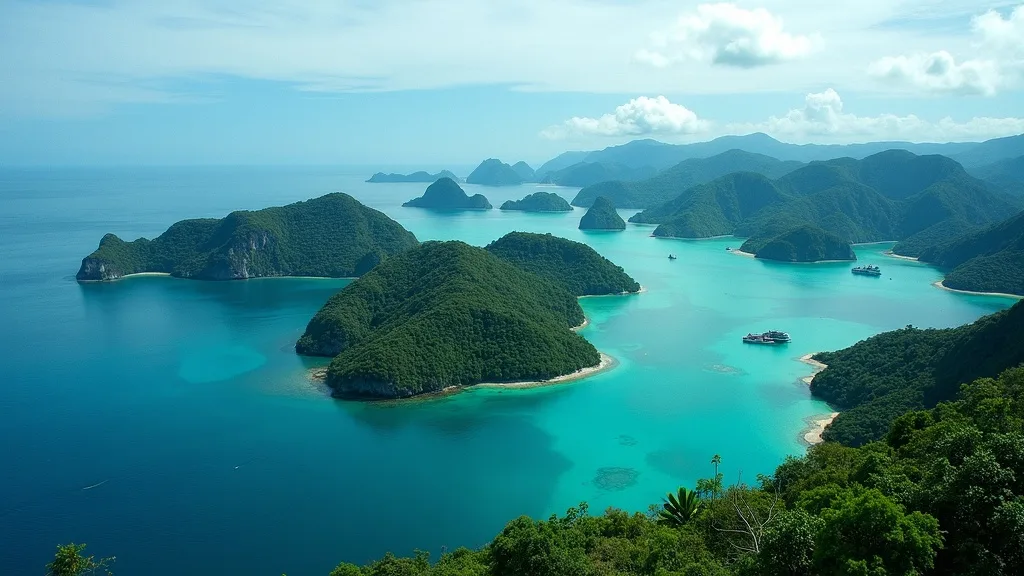
The distinctive topography of Wayag presents both challenges and rewards for photographers. The numerous small islands, often referred to as ‘miniature Wayags’ when viewed from above, demand a comprehensive understanding of light, perspective, and composition. The tropical climate means intense sunlight around midday, making early mornings and late afternoons the most advantageous times for photography.
Wayag Raja Ampat Photography Tips 2027: Essential Gear
Your equipment selection for a 2027 Wayag expedition should prioritise durability and versatility. A sturdy tripod is indispensable for sharp landscape shots, particularly during lower light conditions. Wide-angle lenses (16-35mm equivalent) are crucial for capturing the expansive vistas, while a telephoto lens (70-200mm equivalent) can isolate specific karsts or wildlife. Filters are also vital: a circular polarizer will manage reflections on the water, and graduated neutral density (GND) filters are essential for balancing bright skies with darker foregrounds, especially during sunrise and sunset. Given the marine environment, waterproof bags and protective covers for your camera gear are non-negotiable. Consider a reliable dry bag for boat transfers.
Best Wayag Raja Ampat Sunrise Photography Spots 2027
The iconic viewpoint after the Wayag summit hike offers the most celebrated vantage point for sunrise. Arriving before dawn is crucial to secure a prime position and set up your equipment. From here, the sun’s first rays illuminate the mist often clinging to the valleys between the karsts, creating dramatic light and shadow play. Other excellent spots include the various smaller islets accessible by dinghy, offering unique foreground elements against the rising sun. Experiment with different compositions from these lower perspectives to complement the classic aerial view.
Drone Photography Wayag Raja Ampat 2027: Regulations and Techniques
Drone photography in Wayag Raja Ampat in 2027 offers perspectives, revealing the intricate patterns of the islands and the turquoise waters. However, strict adherence to local regulations is paramount. Always seek permission from local authorities or your tour operator before flying. Be mindful of wildlife and other visitors, maintaining a respectful distance and avoiding disruption. For optimal results, fly early in the morning or late in the afternoon to capture softer light and avoid harsh shadows. Experiment with various altitudes to show the scale of the landscape. Use ND filters on your drone camera to manage the bright tropical light and achieve cinematic motion blur for video. Always monitor battery life diligently, especially when flying over water.
Composition and Lighting: Mastering the Wayag Frame
Composition in Wayag often involves leading lines created by the water channels or the curves of the islands. The rule of thirds is a good starting point, but don’t be afraid to break it for stronger, more symmetrical compositions when the landscape dictates. Look for reflections in the calm morning waters to add depth and interest. The quality of light changes rapidly in the tropics; be prepared to adjust your settings and compositions quickly. Golden hour light (shortly after sunrise and before sunset) casts a warm glow, enhancing the textures of the limestone. Blue hour (just before sunrise and after sunset) offers a softer, more ethereal mood.
Post-Processing for Impactful Wayag Images
Effective post-processing can significantly enhance your Wayag images. Focus on adjusting exposure, contrast, and white balance to bring out the vibrant colours of the water and the rich greens of the foliage. Dodging and burning can selectively brighten or darken areas to guide the viewer’s eye. Pay attention to sharpening and noise reduction, especially for images taken in lower light. Non-destructive editing workflows are highly recommended, allowing for adjustments without altering the original file.
Tour Fotografi Wayag Raja Ampat: Choosing the Right Expedition
For a dedicated photography experience, consider booking a tour fotografi Wayag Raja Ampat that caters specifically to photographers. These tours often include early morning departures, flexible itineraries to chase the best light, and knowledgeable guides who understand photographic needs. Confirm that your chosen tour allows for sufficient time at key locations and accommodates any specific equipment requirements, such as drone usage. A reputable operator will also provide guidance on local customs and environmental considerations, ensuring a responsible and productive photographic journey.
2027 note: As conservation efforts continue to evolve in Raja Ampat, staying informed about local regulations, particularly concerning protected areas and visitor numbers, will be critical for photographers. Always respect marine life and the delicate ecosystem.
FAQ
What are the best photography tips and locations for capturing stunning images of Wayag Raja Ampat in 2027?
For capturing stunning images of Wayag Raja Ampat in 2027, prioritise early morning light from the established summit viewpoint after the hike. Use a sturdy tripod, wide-angle lenses, and graduated neutral density filters. For unique perspectives, consider ethical drone photography, always with prior permission. Other excellent locations include various smaller islets accessible by dinghy, which provide different foreground elements and reflections.
What equipment is essential for photography in Wayag Raja Ampat?
Essential equipment for Wayag Raja Ampat photography includes a durable camera body, wide-angle lenses (e.g., 16-35mm), a telephoto lens (e.g., 70-200mm), a sturdy tripod, circular polarizer and graduated neutral density (GND) filters, and ample battery power. Given the marine environment, waterproof bags and protective covers for your gear are crucial to prevent damage from saltwater and humidity.
Are there specific regulations for drone photography in Wayag Raja Ampat in 2027?
Yes, in 2027, specific regulations for drone photography in Wayag Raja Ampat are likely to be in effect. It is imperative to obtain permission from local authorities or your tour operator before flying. Always maintain a respectful distance from wildlife and other visitors, adhering to established no-fly zones if designated. Local guides can provide the most current information regarding permits and restricted areas.