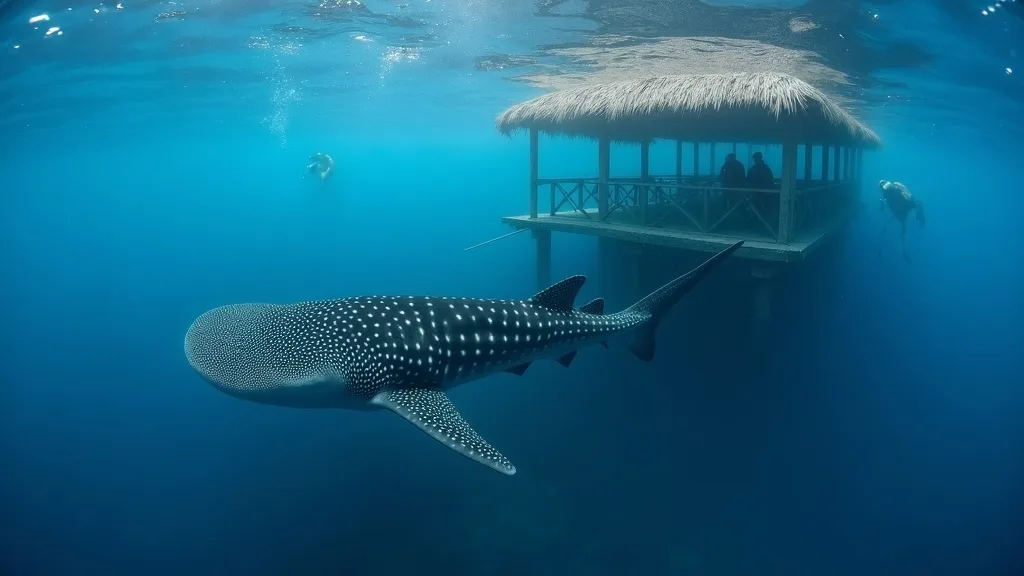
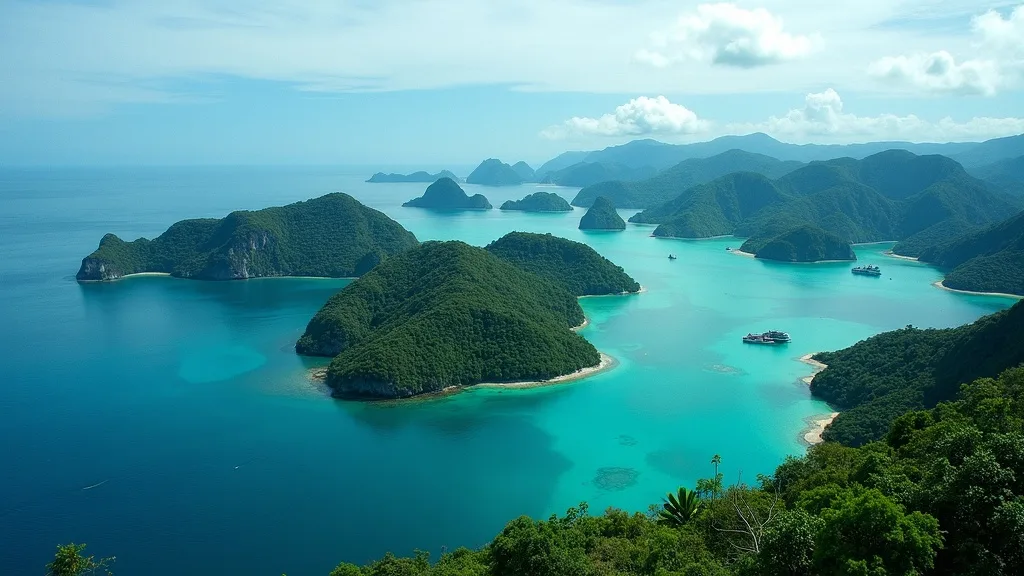
The environmental impact of Wayag Raja Ampat tourism in 2027 necessitates a focus on sustainable practices to protect its unique marine ecosystems. Visitors are crucial in mitigating potential harm through responsible behaviour, supporting local conservation efforts, and adhering to strict environmental guidelines.
Wayag, a collection of limestone karsts and turquoise lagoons within Raja Ampat, Indonesia, represents a pinnacle of marine biodiversity. Its global recognition as a diving and scenic destination has, predictably, led to increased tourism. As we approach 2027, understanding and addressing the environmental impacts of this popularity is paramount. This article explores the challenges and outlines actionable sustainable tourism wayag raja ampat 2027 practices essential for preserving this natural wonder.
The Wayag Raja Ampat Environmental Impact 2027: Key Concerns
The delicate balance of Wayag’s ecosystems faces several pressures. Coral reefs, vital for marine life, are susceptible to damage from irresponsible diving, anchoring, and accidental contact. Marine plastic pollution, originating both locally and from broader ocean currents, threatens wildlife and degrades the pristine environment. Furthermore, increased human presence can disturb sensitive wildlife breeding grounds and alter natural behaviours. Managing waste generated by tourism, including human waste and general refuse, poses a significant logistical challenge in such a remote area.
Over-tourism, while not yet at crisis levels across all of Raja Ampat, remains a concern for specific, highly visited sites like Wayag. The sheer volume of visitors during peak seasons can strain local infrastructure and increase the likelihood of environmental degradation. Balancing accessibility with conservation is a continual challenge.
Sustainable Tourism Wayag Raja Ampat 2027: A Collective Responsibility
Achieving genuine sustainability in Wayag requires a concerted effort from tourists, tour operators, and local communities. For visitors, adopting an eco friendly wayag raja ampat itinerary 2027 is not merely recommended; it is a moral imperative. This begins with selecting tour operators who demonstrably commit to sustainable practices, such as waste minimisation, proper waste disposal, and supporting local conservation initiatives.
- Choose tour operators certified in sustainable tourism.
- Participate in reef clean-up initiatives.
- Support local conservation projects through direct donations or purchasing local, sustainably sourced goods.
- Educate yourself on local marine life and cultural norms.
How to Practice Responsible Tourism Wayag 2027
Responsible tourism in Wayag extends beyond simply not littering. It involves a proactive approach to minimise your footprint. When diving or snorkelling, maintain neutral buoyancy and avoid touching corals or marine life. Ensure your sunscreen is reef-safe, free from oxybenzone and octinoxate, which are harmful to corals. Proper waste management is critical; carry out all rubbish, including biodegradable items, and avoid single-use plastics. Many tour operators now provide filtered water to refill reusable bottles, significantly reducing plastic bottle waste.
Respecting local culture and communities is another facet of responsible tourism. Engage with local guides, support local businesses, and be mindful of noise levels, particularly in residential areas. When considering an adventure like trekking Puncak Wayag, adhere strictly to marked paths to prevent soil erosion and disturbance to vegetation. The fees collected for entering the Raja Ampat Marine Protected Area (MPA) directly contribute to conservation efforts, including ranger patrols and community development, making your contribution vital.
Marine Conservation Initiatives in Wayag
Several initiatives are underway to protect Wayag’s pristine environment. The Raja Ampat Marine Park Authority implements strict regulations on visitor numbers, fishing, and development. Local communities, often working in conjunction with NGOs, are involved in coral restoration projects and monitoring programs. Education plays a crucial role, both for tourists and local residents, in fostering a deeper understanding of the value of these ecosystems. The establishment of no-take zones within the MPA allows marine populations to recover and thrive, benefiting the entire ecosystem.
| Initiative | Description | Impact in 2027 |
|---|---|---|
| MPA Fee System | Mandatory visitor entry fee for conservation. | Funds ranger patrols, conservation projects, community development. |
| Coral Restoration | Replanting and nurturing damaged coral reefs. | Enhances marine biodiversity and reef resilience. |
| Waste Management | Programmes for proper waste collection and disposal. | Reduces marine plastic pollution and ecosystem damage. |
| Community Engagement | Involving local communities in conservation efforts. | Fosters local ownership and sustainable practices. |
The Role of Technology in Sustainable Tourism 2027
Technology offers innovative solutions for sustainable tourism wayag raja ampat 2027. GPS tracking of tour boats can help enforce speed limits in sensitive areas and monitor visitor distribution. Drone technology can be used for aerial surveillance to detect illegal fishing or environmental infractions. Mobile applications can provide real-time information to tourists about responsible practices, marine life identification, and even report environmental concerns directly to authorities. Furthermore, advanced data analytics can help predict visitor impact and inform adaptive management strategies for Wayag’s conservation.
2027 Note: As Wayag continues to attract global attention, the imperative for sustainable practices intensifies. The collective actions taken by individuals and organisations in the coming year will significantly influence the long-term health of this extraordinary marine environment. Continued research into climate change impacts on coral reefs and adaptation strategies will be critical.
Planning Your Eco-Friendly Wayag Raja Ampat Itinerary 2027
Planning an eco friendly wayag raja ampat itinerary 2027 involves careful consideration of your choices. Research tour operators and accommodations that have verifiable environmental policies. Opt for longer stays in one area to reduce travel impact. When booking a Wayag Raja Ampat tour, inquire about their waste management protocols, their support for local communities, and their adherence to marine park regulations. Choosing smaller group tours can also minimise the collective footprint on sensitive sites.
Furthermore, packing light reduces fuel consumption for transport. Select reusable items wherever possible – water bottles, shopping bags, and toiletries. By making conscious decisions at every stage of your trip, you contribute directly to the preservation of Wayag’s beauty for future generations.
FAQ
What are the environmental challenges facing Wayag Raja Ampat tourism in 2027, and how can visitors contribute to sustainability?
The primary environmental challenges facing Wayag Raja Ampat tourism in 2027 include coral reef damage from irresponsible diving and anchoring, marine plastic pollution, disturbance to wildlife, and waste management issues from increased visitor numbers. Visitors can contribute to sustainability by choosing eco-certified tour operators, using reef-safe sunscreen, carrying out all rubbish, avoiding single-use plastics, respecting marine life by not touching corals, and supporting local conservation initiatives.
Why is Wayag Raja Ampat considered a crucial area for marine biodiversity?
Wayag Raja Ampat is considered a crucial area for marine biodiversity due to its location within the Coral Triangle, the global epicentre of marine life. It boasts an exceptionally high number of coral species and fish, many of which are endemic. The unique geomorphology of its limestone karsts creates diverse habitats, supporting a rich and complex ecosystem essential for global marine health.
What specific actions can tour operators take to promote sustainable tourism in Wayag by 2027?
By 2027, tour operators in Wayag can promote sustainable tourism by implementing strict waste management and recycling programmes on their vessels, using fuel-efficient engines, training staff in environmental best practices and local culture, providing reef-safe sunscreen and reusable water bottles to guests, adhering to designated anchoring zones, limiting group sizes to minimise impact, and actively contributing a portion of their profits to local conservation projects and community development.